
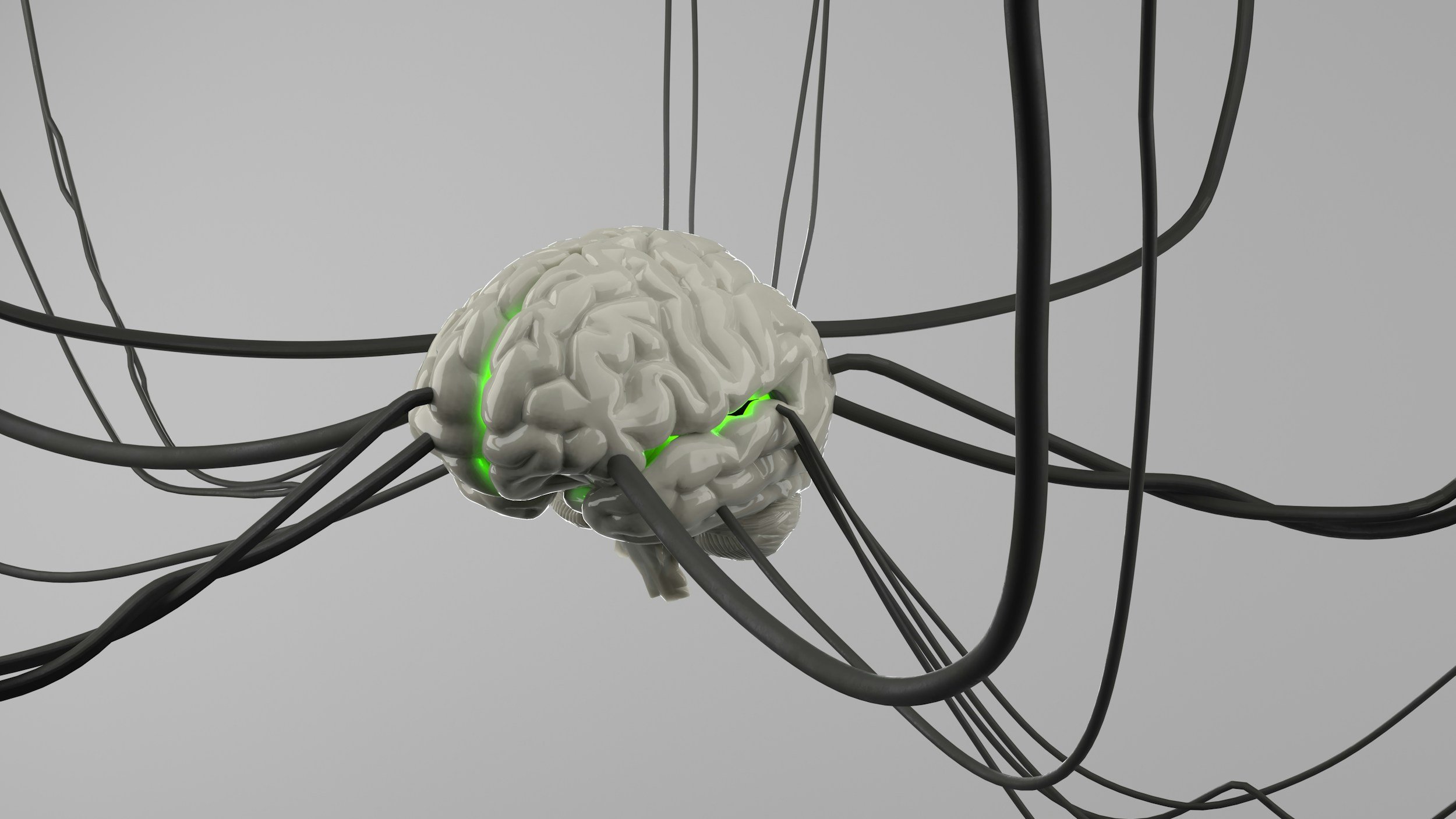
Neuroregulation through Clinical EFT
Emotional Freedom Technique (EFT) Tapping is a mind-body wellness approach that combines gentle fingertip tapping on acupressure points with focused attention on thoughts, emotions, or behavior patterns. EFT is designed to help reduce stress, support emotional balance, and encourage healthier responses to everyday challenges.
In the simplest of terms, a Clinical EFT session is talking through emotional stress, while helping the body stay calmer.
Who does EFT Tapping help?
EFT Sessions can help any client work through:
Stress and anxiety
Emotional overwhelm
Limiting beliefs
Confidence and motivation blocks
Habit and behavior patterns
Performance or mindset challenges
Research indicates that EFT Tapping is a beneficial therapeutic adjunct for clients challenged by:
Anxiety
Addiction
Stress
PTSD symptoms
Emotional regulation
For additional information on the Science of Tapping and current EFT research, click here.
EFT tapping is a somatic-based processing tool and like most processing tools, its efficacy is highly dependent on the client. Some may clients derive some benefit, while others find this tool to be highly effective for them.
How does EFT tapping work?
EFT tapping is thought to work through a combination of psychological and physical mechanisms rather than through a single proven biological process.
The Basic Idea
In EFT Tapping, you:
Focus on a stressful thought, feeling, memory, craving, or behavior pattern.
Verbally acknowledge it.
Tap rhythmically on specific body points.
The combination appears to help some people reduce emotional intensity and feel calmer.
Postulated Mechanisms
-
The tapping rhythm, breathing, and focused attention may help calm the body’s stress response.
People often report:
Slower breathing
Reduced muscle tension
Feeling grounded
Less emotional overwhelm
This may reduce activation of the “fight-or-flight” response.n text goes here
-
A major theory is that EFT works similarly to exposure therapy.
When you briefly focus on a difficult emotion or memory while staying physically calm, the brain may begin to learn:
“This feeling is uncomfortable, but not dangerous.”
Over time, the emotional charge connected to the trigger can decrease.
-
Clinical EFT setup statements combine acknowledgment with acceptance.
Example:
“Even though I feel anxious when…., I accept myself.”
That process can:
Reduce self-judgment
Increase emotional awareness
Interrupt automatic negative thinking
Introduce more balanced beliefs
-
Habits and emotional reactions are often automatic learned patterns.
Tapping may help interrupt those automatic loops by:
Bringing conscious awareness to triggers
Creating a pause before reacting
Pairing stressful thoughts with a calmer body state
Over repeated sessions, people may respond differently to old triggers.
-
Traditional EFT says the tapping points relate to energy meridians from Chinese medicine.
Scientific evidence for “energy meridians” is limited and controversial. Many researchers think the benefits may come more from:
Attention and mindfulness
Somatic calming
Exposure techniques
Relaxation effects
Repetition and expectation
Some studies do show reduced stress and anxiety after EFT, but scientists still debate whether the tapping points themselves are uniquely important.
Dr. Sappington is currently in certification training for Clinical EFT at the EFT Tapping Training Institute.
She is actively completing mentored clinical hours under the guidance of her Mentor, Alina Frank.
Dr. Sappington is seeking rotation clients via self-referral or via clinician-referral. All rotation sessions are conduced free-of-charge.